Posty

Easter wishes from Poland

Obraz
  Easter time is coming in Poland. Polish students send some wishes for this special time.

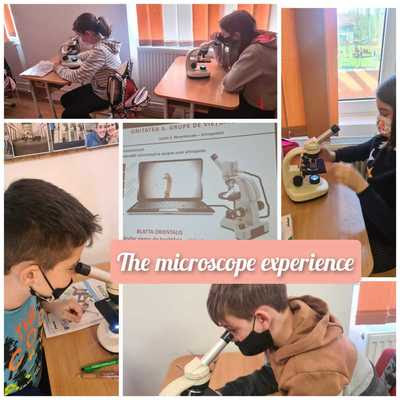
Romanian Team experiences with microscopes

Obraz
Biology teacher Denisa from Romania introduced the world of insects to the students. They examined some insect species under a microscope.

Warsztaty projektowe – Świat widziany pod mikroskopem

Obraz
  Uczniowie pracujący w projekcie Erasmus+ w ramach zajęć mówili o tym jak poznawać biologię, czym jest metoda naukowa, jakie cechy powinien mieć dobry badacz? Zapoznali się z biologicznymi metodami poznawania świata - obserwacją i doświadczeniem. Poznali różnicę między obserwacją a doświadczeniem i poszczególne etapy stosowania metody naukowej. Dzięki zajęciom wiedzą co to jest problem badawczy, hipoteza, próba badawcza i kontrolna. Następnie krótko wprowadzono/przypomniano im budowę mikroskopu i zasady mikroskopowania oraz jak przygotować preparaty mikroskopowe. Dalsza część zajęć po krótkim instruktażu przebiegała według prostego scenariusza w formie zabawy. W trakcie zajęć uczniowie oglądali preparaty pod mikroskopem oraz samodzielnie je przygotowywali. Poznawały „mikroświat” owadów. W przyszłym tygodniu, na plastyce, tworzyć będą wizje plastyczne „Świat pod mikroskopem”.

The Design Workshops-the World Seen under a Microscope

Obraz
  Erasmus+ students in the classroom talked about how to learn biology, what a scientific metod is, what qualities a good reasearcher should have. They become familiar with biological methods of learning about the World- observation and experience. They learned the difference between observation and experience and the different stages of using the scientific metod. Thanks to the classes, they know what a research problem, hypothesis, research and control test is. Then they were briefly introduced/reminded of the microscope construction and microscopy rules and how to prepare microscopic preparations. The next part of the classes after a short instructions proceeded according to a simple scenario in the form of fun. During the class, students looked at the praparations under a microscope and prepared them themselves. They got to know the ‘microworld’ of insects. Next week, during the art classes plastic visions of ‘The World under the microscope’ will be created.

TURKISH TEAM working with microscopes

Obraz
  Biology teacher Erkan Ürey introduced the world of insects to the students. They examined some insect species under a microscope.

What’s up Mr Stick Insect?

Obraz
In our Green studio there are horned stick insects. These are insects resembling twigs or sticks. They live in the wild in southern Vietnam (horned stick insect). Other varieties of stick insects also live in India and Australia. The horned stick insects are the most popular in home breeding. They have the smallest requirements and don't cause any problems. The stick insect is about 7-10 cm long (females are larger, males are smaller) and lives for about a year. In their natural environment, stick insects live on the branches of eucalyptus and are deceptively similar to their twigs. In their home, stick insects need sticks first and foremost. Stick insects love to climb and camouflage in branches. They also do not have high temperature requirements. Conditions around 20-23 degrees are ideal for them. In order for the stick insect to be able to freely shed its armor from time to time (to crawl out), it needs more humidity. So it is enough to spray the inside of the terrarium with wa...

What’s up Mr…..Patyczak?

Obraz
W naszej Zielonej pracowni znajdują się patyczaki rogate.  Są to owady przypominające gałązki czy patyki. Na wolności żyją w południowym Wietnamie (patyczak rogaty). Inne odmiany patyczaków żyją także w Indiach czy Australii. Patyczaki rogate są najbardziej popularne w domowych hodowlach. Maja najmniejsze wymagania i nie sprawiają żadnych problemów. Patyczak ma długość około 7-10 cm (samice są większe, samce, a mniejsze) i żyje około roku.   W naturalnym środowisku patyczaki żyją na gałęziach eukaliptusa i do złudzenia przypominają ich gałązki. W swoim domku patyczaki potrzebują przede wszystkim patyków. Patyczaki uwielbiają się wspinać i maskować w gałęziach. Nie mają one też dużych wymagań temperaturowych. Warunki około 20-23 stopni są dla nich idealne. Aby patyczak mógł swobodnie zrzucić co jakiś czas swój pancerz (wylinieć) potrzebuje większej wilgotności. Wystarczy więc spryskiwać wnętrze terrarium wodą ze spryskiwacza (odstaną). Uwielbiają liście jeżyn i malin, a także t...